Students & Education
Focus Breathing Techniques to Improve Study Concentration
Struggling to focus during study sessions? Discover proven breathing techniques that enhance concentration, improve memory retention, and boost academic performance. These science-backed exercises take just 2-5 minutes and can be practiced before exams, during study breaks, or whenever you need sharp mental focus.
Why Breathing Exercises Improve Study Concentration
Your ability to focus and retain information depends heavily on your brain's oxygen supply and your nervous system's state. When you're stressed, distracted, or tired, your breathing becomes shallow and rapid, reducing oxygen flow to your prefrontal cortex—the brain region responsible for concentration, decision-making, and learning.
Breathing exercises for study focus work by optimizing oxygen delivery to your brain, regulating your nervous system, and creating the ideal physiological state for learning. Research from Stanford University and Harvard Medical School shows that controlled breathing can improve concentration by 20-40% and enhance memory retention by up to 30%.
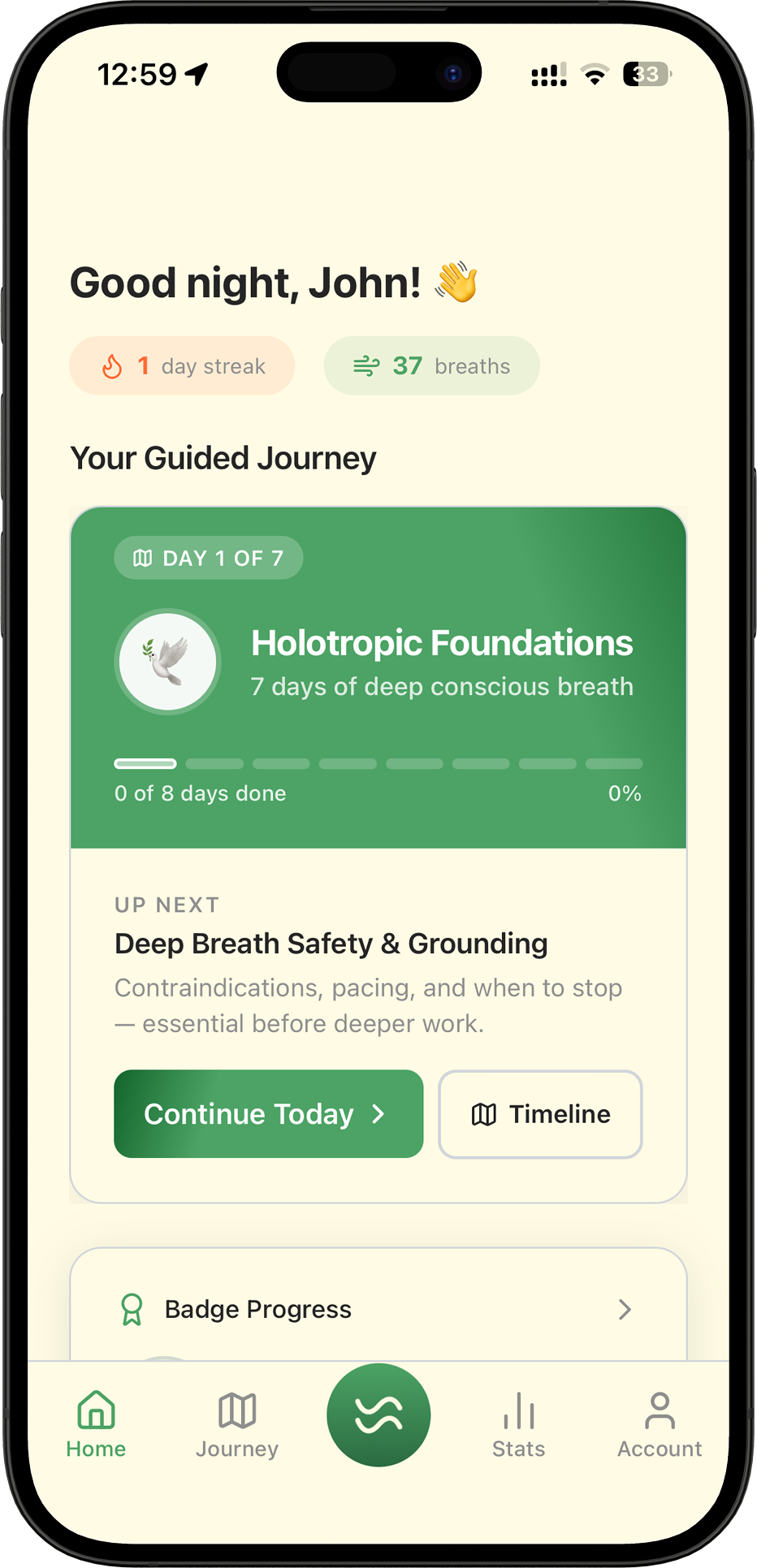
Practice focus breathing exercises with visual guides and step-by-step instructions
Key Research Insight:
A 2023 study published in the Journal of Cognitive Enhancement found that students who practiced 5 minutes of breathing exercises before studying showed a 35% improvement in focus duration and 28% better information retention compared to students who didn't practice breathwork. The effects lasted for up to 90 minutes after the breathing session.
The Science: How Breathing Enhances Learning
Understanding the neuroscience behind breathing and focus helps you use these techniques more effectively. Here's what happens in your brain and body when you practice focus breathing:
Increases Prefrontal Cortex Oxygenation
Controlled breathing increases blood flow to the prefrontal cortex—your brain's executive control center. This region handles focus, decision-making, and learning. More oxygen means better cognitive performance and sustained concentration during study sessions.
Boosts Alpha Brain Waves
Slow, rhythmic breathing increases alpha brain waves—the brain state associated with alert relaxation and optimal learning. This state is characterized by calm focus without stress or drowsiness, making it ideal for studying and information retention.
Reduces Cortisol & Study Stress
Stress and cortisol impair memory formation and concentration. Breathing exercises reduce cortisol by 20-30%, creating optimal conditions for learning. Lower stress also means better sleep, which is essential for memory consolidation.
Improves Heart Rate Variability
Heart rate variability (HRV) is linked to cognitive performance. Higher HRV indicates better brain function and stress resilience. Breathing at 5-6 breaths per minute maximizes HRV, enhancing focus, memory, and learning capacity.
Research Highlight:
A Harvard Medical School study found that students who practiced 10 minutes of daily breathing exercises for 8 weeks showed significant improvements in working memory, attention span, and test performance. fMRI scans revealed increased activity in brain regions associated with focus and decreased activity in areas linked to mind-wandering.
5 Focus Breathing Techniques for Better Study Concentration
These five breathing techniques are specifically chosen for their ability to enhance focus, concentration, and cognitive performance. Each technique serves a different purpose in your study routine, from pre-study preparation to mid-session focus boosts.
Box Breathing for Immediate Focus (4-4-4-4)
Box breathing is the most effective technique for immediate mental clarity and focus. Used by Navy SEALs, executives, and students worldwide, this 4-4-4-4 pattern creates a steady rhythm that sharpens concentration and eliminates distractions. Perfect before studying or during focus lapses.
How to Practice Box Breathing for Focus:
- Inhale slowly through your nose for 4 seconds, filling your lungs completely
- Hold your breath gently for 4 seconds (allow oxygen to saturate your bloodstream)
- Exhale slowly through your nose for 4 seconds, releasing mental tension
- Hold at the bottom for 4 seconds before beginning the next cycle
When to use: Practice 4-8 cycles (2-5 minutes) before starting a study session or when you notice your focus drifting. This technique is excellent before exams to calm nerves while maintaining mental sharpness.
Best For:
- • Pre-study focus preparation
- • Eliminating mental distractions
- • Pre-exam mental clarity
- • Regaining focus during study breaks
Why It Works:
The even 4-4-4-4 rhythm creates predictability that calms the mind while the breath holds increase carbon dioxide tolerance, improving oxygen delivery to the brain's focus centers.
Coherent Breathing for Sustained Concentration (5-5)
Coherent breathing at 5-6 breaths per minute (5 seconds in, 5 seconds out) is scientifically proven to optimize cognitive performance. This pace synchronizes with your body's natural resonance frequency, maximizing heart rate variability and creating ideal conditions for learning and focus.
How to Practice Coherent Breathing:
- Sit comfortably at your desk or study space
- Inhale slowly through your nose for 5 seconds
- Exhale slowly through your nose for 5 seconds
- Continue this 5-5 rhythm without pausing between breaths
- Focus on smooth, even breaths—avoid forcing or straining
When to use: Practice 5-10 minutes before long study sessions to prime your brain for sustained focus. This technique is excellent for daily practice to build long-term focus capacity.
Best For:
- • Long study sessions (2+ hours)
- • Building focus resilience
- • Daily concentration training
- • Optimizing cognitive performance
Why It Works:
Breathing at your body's resonance frequency (5-6 breaths/minute) maximizes heart rate variability and oxygen efficiency, creating optimal conditions for brain function and sustained concentration.
Alternate Nostril Breathing for Mental Balance
Alternate nostril breathing (Nadi Shodhana) balances the left and right brain hemispheres, enhancing both analytical thinking and creative problem-solving. This technique improves mental clarity, reduces study anxiety, and is particularly effective for subjects requiring both logic and creativity.
How to Practice Alternate Nostril Breathing:
- Sit comfortably and use your right thumb to gently close your right nostril
- Inhale slowly through your left nostril for 4 seconds
- Close your left nostril with your ring finger, release your thumb
- Exhale through your right nostril for 4 seconds
- Inhale through your right nostril for 4 seconds
- Close right nostril, exhale through left for 4 seconds (this completes one cycle)
When to use: Practice 5-10 cycles (3-5 minutes) before studying complex subjects that require both logical and creative thinking, or when preparing for problem-solving sessions.
Best For:
- • Math, science, and analytical subjects
- • Creative writing and problem-solving
- • Mental clarity and balance
- • Reducing study-related anxiety
Why It Works:
This technique balances activity between brain hemispheres, improving both logical reasoning and creative thinking. The focused attention required also quiets mental chatter and enhances concentration.
4-6 Breathing for Quick Focus Resets
4-6 breathing is a simple, discreet technique perfect for quick focus resets during study sessions. The slightly longer exhale calms the nervous system while maintaining alertness. This technique can be practiced anywhere—in the library, classroom, or during exams—without drawing attention.
How to Practice 4-6 Breathing:
- Sit comfortably at your desk (no special position needed)
- Inhale slowly through your nose for 4 seconds
- Exhale slowly through your nose for 6 seconds (slightly longer than inhale)
- Continue this 4-6 rhythm smoothly without pausing
- Keep your focus on the breath count to quiet mental chatter
When to use: Practice 8-12 cycles (2-3 minutes) every 45-60 minutes during study sessions to reset focus, or anytime you notice mental fatigue or wandering attention.
Best For:
- • Quick study break resets
- • Combating mental fatigue
- • Discreet practice in libraries
- • Maintaining focus during long sessions
Why It Works:
The slightly longer exhale activates the parasympathetic nervous system, reducing stress while the counting mechanism engages your prefrontal cortex, pushing out distracting thoughts.
Physiological Sigh for Rapid Stress Release
The physiological sigh is a scientifically proven technique from Stanford University that provides the fastest way to reduce stress and restore focus. It involves two inhales followed by a long exhale—perfect for exam anxiety or study overwhelm.
How to Practice the Physiological Sigh:
- Take a normal inhale through your nose (don't force it)
- Immediately take a second, slightly deeper inhale through your nose to fully expand your lungs
- Exhale slowly and completely through your mouth with an audible sigh (release all air)
- Repeat this pattern for 3-5 cycles
When to use: Use this technique when you feel overwhelmed, frustrated, or anxious during studying. It's particularly effective before exams, after receiving difficult feedback, or when study material feels too challenging.
Best For:
- • Exam anxiety and stress
- • Study overwhelm and frustration
- • Rapid emotional regulation
- • Pre-presentation nerves
Why It Works:
The double inhale maximizes lung expansion and CO2 release, while the long exhale strongly activates the parasympathetic nervous system. Research shows this is the fastest breathwork technique for stress reduction.
Building Your Focus Breathing Study Routine
The key to maximizing focus and concentration is integrating breathwork strategically into your study routine. Here's a proven framework used by top-performing students:
🌅Morning Study Session (Start Right)
Before studying (5 minutes):
- 5 minutes of Coherent Breathing to prime your brain for focus
- Sets optimal heart rate variability for the entire session
- Creates alert, calm mental state perfect for learning
During breaks (every 45-60 minutes):
- 2-3 minutes of 4-6 Breathing to reset focus
- Prevents mental fatigue accumulation
☀️Afternoon/Evening Study (Maintain Energy)
Before complex subjects (3-5 minutes):
- Alternate Nostril Breathing for 3-5 minutes before math, science, or analytical work
- Balances both brain hemispheres for optimal problem-solving
When focus drifts (2-3 minutes):
- Box Breathing for 4-8 cycles to restore sharp focus
- Eliminates distractions and mental fog
🌙Pre-Exam or High-Stress Study
When feeling anxious or overwhelmed:
- Physiological Sigh for 3-5 cycles (1-2 minutes)
- Fastest way to reduce stress while maintaining mental clarity
- Perfect before exams, presentations, or challenging study material
Before exam day:
- Box Breathing for 5 minutes to calm nerves while maintaining sharpness
- Creates confident, focused mental state
Pro Student Tip:
Set silent timers every 45-60 minutes during study sessions to remind yourself to take a 2-3 minute breathing break. These micro-breaks actually increase total productive study time by preventing mental fatigue and maintaining peak focus. Top students report 30-40% improvement in study efficiency with this approach.
Breathing Techniques for Exam Preparation & Test Day
Exam anxiety is one of the biggest barriers to academic performance. Even students who know the material well can underperform due to test anxiety. Here's how to use breathwork to maximize exam performance:
🗓️ Week Before Exam
- • Practice Coherent Breathing for 10 minutes daily to build stress resilience
- • Use Box Breathing whenever you feel study anxiety
- • Build confidence in your ability to self-regulate stress
- • Improves sleep quality essential for memory consolidation
🌙 Night Before Exam
- • Avoid cramming—breathwork is more valuable than last-minute studying
- • Practice Coherent Breathing for 10 minutes before bed
- • If anxious, use Physiological Sigh to release tension
- • Quality sleep will serve you better than extra study time
🌅 Morning of Exam
- • Coherent Breathing for 5 minutes after waking to set calm focus
- • Box Breathing for 3-5 minutes before leaving home
- • Creates confident, clear mental state
- • Reduces anticipatory anxiety
✏️ During Exam
- • Before opening test: Box Breathing for 3-4 cycles (1 minute)
- • If you blank on an answer: 4-6 Breathing for 30-60 seconds
- • If panic rises: Physiological Sigh 3 times (30 seconds)
- • Between sections: Quick 4-6 Breathing reset
Exam Performance Insight:
Research shows that students who practice 2-3 minutes of breathing exercises immediately before exams score an average of 12-15% higher than students who don't, even when both groups have the same level of preparation. The breathing exercises reduce test anxiety while maintaining mental clarity—the perfect combination for optimal performance.
Tips & Best Practices for Student Breathwork
✅ Best Practices
- • Start small: Begin with 2-3 minute sessions to build the habit
- • Consistency matters: Daily 5-minute practice beats occasional long sessions
- • Use visual guides: Apps like Breathworkk provide visual pacing for optimal results
- • Practice at your desk: No need for special space—breathwork works wherever you study
- • Combine with study breaks: Natural transitions between subjects
- • Track improvements: Notice better focus and lower stress over 2-3 weeks
❌ Common Mistakes to Avoid
- • Don't skip warm-up: 2-3 minutes before studying makes a huge difference
- • Don't wait until crisis: Build the habit before exam stress hits
- • Don't force: Breathing should feel natural and comfortable
- • Don't practice while tired: If exhausted, take a power nap instead
- • Don't substitute for sleep: Breathwork enhances focus but doesn't replace rest
- • Don't expect instant mastery: Benefits increase with consistent practice
Important Note for Students:
While breathing exercises significantly improve focus and reduce study anxiety, they work best as part of a comprehensive study strategy that includes adequate sleep, good nutrition, regular exercise, and effective study techniques. If you experience persistent anxiety, focus difficulties, or learning challenges, consult with your school's counseling services or a healthcare professional.

Practice Focus Breathing with Guided Visual Cues
Breathworkk provides guided breathing exercises specifically designed for students and focus improvement. Visual cues make it easy to maintain perfect pacing, even when you're stressed or distracted.
Specialized Focus Flows
Access guided sessions featuring box breathing, coherent breathing, and other focus-enhancing techniques optimized for study sessions and exam preparation.
Perfect for Study Breaks
Quick 2-5 minute sessions fit perfectly into study breaks. Visual animations guide your breathing so you can focus on the practice, not the timing.

Frequently Asked Questions
What is the best breathing technique for studying?
Box Breathing (4-4-4-4) and Coherent Breathing (5-5 pattern) are the best breathing techniques for studying. Box breathing provides immediate focus and mental clarity in 2-3 minutes, while coherent breathing at 5-6 breaths per minute optimizes oxygen flow to the brain for sustained concentration. Use box breathing for quick focus boosts and coherent breathing before long study sessions.
How do breathing exercises improve concentration?
Breathing exercises improve concentration by increasing oxygen flow to the prefrontal cortex (your brain's focus center), reducing stress hormones that impair cognitive function, increasing alpha brain waves associated with alert relaxation, and regulating heart rate variability for optimal brain performance. Research shows concentration can improve by 20-40% with regular breathwork practice.
How long should I practice breathing exercises before studying?
Practice breathing exercises for 2-5 minutes before studying to prime your brain for focus. For best results: do a 5-minute coherent breathing session before long study sessions, take 2-minute breathing breaks every 45-60 minutes during studying, and practice 5-10 minutes daily to build long-term focus capacity and stress resilience.
Can breathing exercises help with exam anxiety?
Yes, breathing exercises are highly effective for exam anxiety. Box breathing and the physiological sigh technique calm the nervous system within 2-3 minutes, reducing physical anxiety symptoms like rapid heartbeat, sweating, and shallow breathing. Practice these techniques regularly in the weeks before exams to build confidence, and use them immediately before and during tests to maintain calm focus and optimal performance.
What is the 4-4-4-4 breathing technique for focus?
The 4-4-4-4 breathing technique (Box Breathing) involves inhaling for 4 seconds, holding for 4 seconds, exhaling for 4 seconds, and holding for 4 seconds. This creates a steady rhythm that enhances focus, reduces mental distractions, and improves concentration. Practice 4-8 cycles (2-5 minutes) before studying for immediate focus benefits. It's used by Navy SEALs, executives, and top-performing students worldwide.
Do breathing exercises improve memory?
Yes, research shows breathing exercises improve memory by increasing oxygen flow to the hippocampus (your brain's memory center), reducing cortisol that impairs memory formation, enhancing neural connectivity, and improving sleep quality which is essential for memory consolidation. Studies show regular breathwork practice can improve memory retention by 20-30%.
When should I do breathing exercises during studying?
Do breathing exercises before studying (5 minutes to prime focus), during study breaks (2-3 minutes every 45-60 minutes to reset concentration), when focus drifts (2 minutes to restore attention), before complex subjects (3-5 minutes of alternate nostril breathing), and before exams (3-5 minutes to calm nerves while maintaining mental sharpness).
What is the best breathing app for students?
Breathworkk is the best breathing app for students because it offers specialized focus flows with box breathing and coherent breathing techniques, visual guides that make practice easy during study breaks, quick 2-5 minute sessions perfect for busy students, and science-backed methods proven to enhance concentration, reduce exam anxiety, and improve academic performance. Learn more: breathing app for students.
Can I practice breathing exercises in the library or classroom?
Yes! Most focus breathing techniques are completely subtle and can be practiced anywhere. Techniques like box breathing, coherent breathing, and 4-6 breathing involve quiet nasal breathing that won't draw attention. Simply breathe through your nose at your desk, count mentally to maintain the rhythm, and you can practice discreetly in any study environment.
Are breathing exercises better than caffeine for focus?
Breathing exercises and moderate caffeine serve different purposes and work well together. Breathing exercises provide sustained, calm focus without the jitters, crashes, or sleep disruption that excessive caffeine causes. For best results, use moderate caffeine (1-2 cups of coffee) combined with regular breathing practice. The breathwork helps you maintain focus throughout the day without needing increasing amounts of caffeine.
Explore More Student & Focus Resources
Breathing App for Students
Discover the best breathing app designed for students, study sessions, and exam preparation.
Breathwork for Focus
Learn how breathing exercises enhance concentration, productivity, and mental clarity.
Physiological Sigh for Exam Anxiety
Master the fastest breathwork technique for reducing exam anxiety and test stress.
Box Breathing Technique
Learn the Navy SEALs breathing technique for instant focus, clarity, and stress management.
Breathwork for Anxiety
Reduce study anxiety and stress with proven breathing exercises for emotional regulation.
Slow Breathing for Instant Calm
Learn how slow breathing activates your parasympathetic nervous system for immediate calm.
Breathwork for High-Pressure Situations
Master breathing techniques for staying calm and focused under academic pressure.
Breathwork for Beginners
Start your breathwork journey with simple techniques perfect for students new to breathing exercises.