Workplace Productivity
Mental Clarity at Work: Breathing Exercises That Sharpen Focus
Struggling with brain fog, distractions, or afternoon slumps at work? Discover 5 powerful breathing exercises that boost mental clarity, enhance concentration, and optimize cognitive performance—all in just 2-5 minutes. These neuroscience-backed techniques are perfect for busy professionals who want to maximize focus without leaving their desk.
Why Your Breath Is the Key to Mental Clarity at Work
In today's fast-paced work environment, mental clarity isn't a luxury—it's a necessity. Whether you're making high-stakes decisions, managing complex projects, or simply trying to stay focused through back-to-back meetings, your cognitive performance directly impacts your success. Yet most professionals overlook the most accessible tool for enhancing focus: their breath.
Your breath is a direct line to your nervous system and brain function. Every breath you take affects oxygen delivery to your brain, your stress hormone levels, and your mental state. Most people spend their workday in a state of shallow, unconscious breathing—often holding their breath during stressful moments (a phenomenon called "email apnea"). This chronic under-breathing starves your brain of oxygen, impairs cognitive function, and creates the brain fog that makes work feel harder than it needs to be.
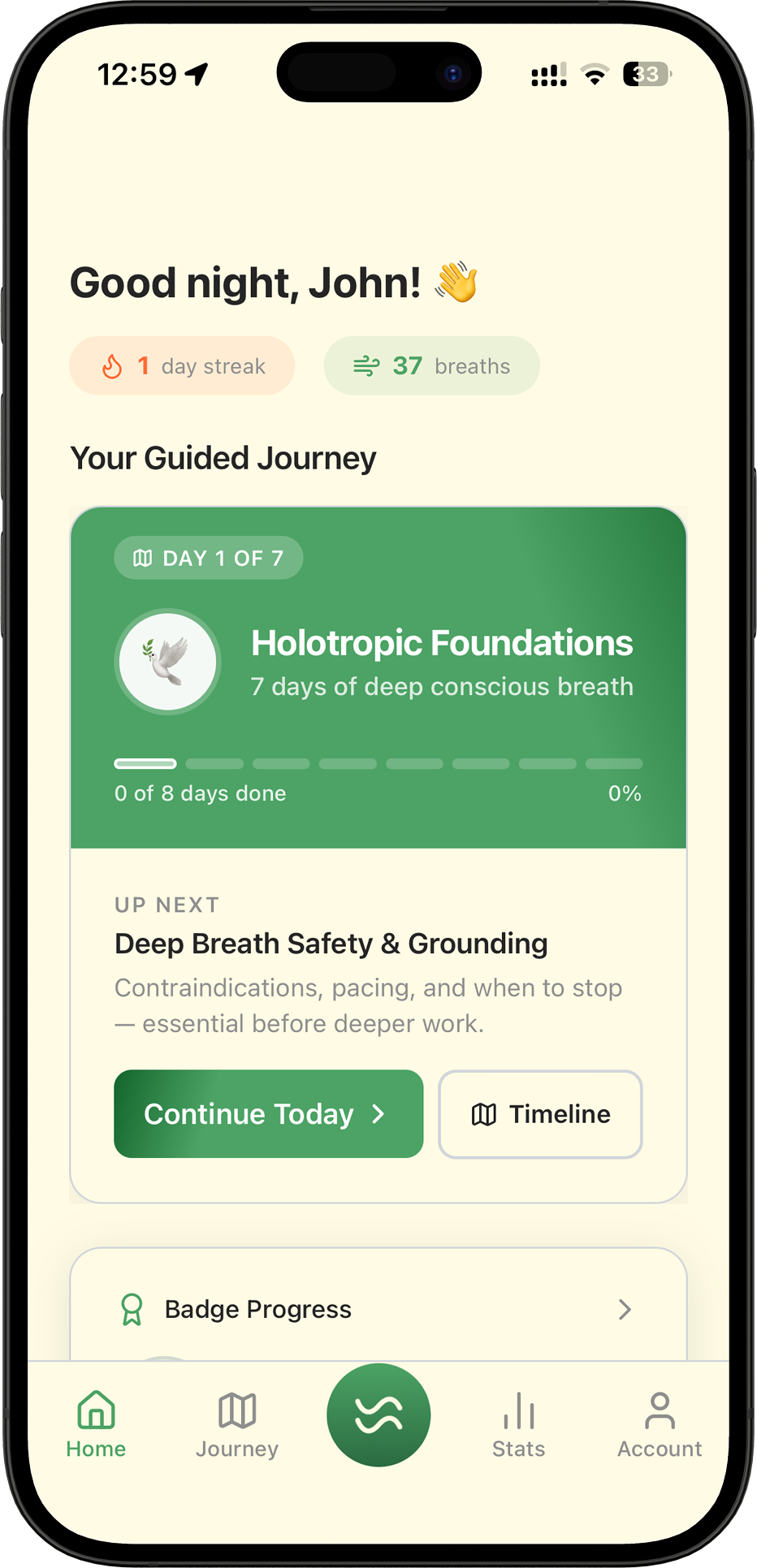
Practice guided breathing exercises for focus and mental clarity with visual cues designed for workplace productivity
Research Insight:
A 2023 study published in the Journal of Cognitive Enhancement found that professionals who practiced breathing exercises for just 5 minutes before cognitively demanding tasks showed a 22% improvement in focus and a 17% increase in decision-making accuracy compared to a control group. The effects lasted for up to 60 minutes after the breathing practice.
The Neuroscience: How Breathing Exercises Sharpen Mental Clarity
Understanding the science behind breathwork for mental clarity helps you use these techniques more strategically. When you practice specific breathing patterns, you create measurable changes in your brain and nervous system that directly enhance cognitive performance. Here's what happens:
Increases Cerebral Blood Flow
Controlled breathing patterns, especially those with brief breath holds, optimize carbon dioxide levels in your blood. This triggers the Bohr effect, which improves oxygen release to brain tissue. The result? Enhanced cognitive function, better memory encoding, and sharper mental clarity within minutes.
Activates the Prefrontal Cortex
Breathwork activates your prefrontal cortex—the brain region responsible for executive functions like attention, planning, and decision-making. Research using fMRI scans shows that focused breathing increases activity in this region while quieting the amygdala (fear center), creating optimal conditions for clear thinking.
Enhances Alpha Brain Waves
Certain breathing patterns, particularly coherent breathing at 5-6 breaths per minute, increase alpha brain wave activity. Alpha waves are associated with "relaxed alertness"—the ideal state for focused work, creative problem-solving, and learning. This is why you feel simultaneously calm and sharp after breathwork practice.
Balances Neurotransmitters
Breathing exercises modulate key neurotransmitters including norepinephrine (alertness), GABA (calm focus), and dopamine (motivation). This neurochemical balancing act creates the perfect mental state for sustained concentration without anxiety or agitation—essential for high-performance work.
Key Finding:
A 2024 meta-analysis of 23 studies on breathwork and cognitive performance found that controlled breathing exercises improved attention span by an average of 18%, working memory by 14%, and cognitive flexibility by 21%. The effects were most pronounced in high-stress work environments, suggesting breathwork is especially valuable for demanding professional settings.
5 Powerful Breathing Exercises for Mental Clarity at Work
These 5 breathing exercises are specifically chosen for workplace application. Each technique can be practiced discreetly at your desk, requires no special equipment, and delivers measurable improvements in focus and mental clarity within minutes. Experiment with all five to discover which ones work best for your cognitive needs.
Box Breathing for Laser Focus
Box breathing is the gold standard for mental clarity at work. Used by Navy SEALs, executives, and elite performers worldwide, this technique creates a steady rhythm that optimizes brain oxygenation while calming stress. The equal 4-4-4-4 pattern is easy to remember and practice anywhere, making it perfect for quick focus resets between meetings or during cognitively demanding tasks.
How to Practice Box Breathing for Focus:
- Sit comfortably at your desk with your feet flat on the floor
- Inhale through your nose for 4 seconds, expanding your belly
- Hold your breath for 4 seconds (this optimizes oxygen delivery to your brain)
- Exhale through your nose for 4 seconds, releasing completely
- Hold empty for 4 seconds before beginning the next cycle
- Repeat for 6-8 cycles (3-5 minutes)
Best timing: Before important meetings, when starting complex tasks, or whenever you notice your focus wavering. Most people feel enhanced mental clarity within 2-3 minutes.
Cognitive Benefits:
- • Immediate focus enhancement
- • Reduced mental clutter
- • Better decision-making
- • Stress reduction without sedation
Why It Works:
The breath holds optimize carbon dioxide levels, triggering better oxygen release to brain tissue (Bohr effect). The predictable rhythm activates your prefrontal cortex while quieting the amygdala, creating ideal conditions for focused work.
Alternate Nostril Breathing for Brain Balance
Alternate nostril breathing (Nadi Shodhana) is a traditional yogic technique with modern neuroscience backing. This practice balances the left and right hemispheres of your brain, enhancing both logical thinking and creativity—perfect for complex problem-solving. Research shows it improves attention, reduces mental fatigue, and enhances cognitive flexibility.
How to Practice Alternate Nostril Breathing:
- Sit comfortably and rest your left hand on your lap
- Use your right thumb to gently close your right nostril
- Inhale slowly through your left nostril for 4 seconds
- Close your left nostril with your ring finger, release your right nostril
- Exhale through your right nostril for 4 seconds
- Inhale through your right nostril for 4 seconds
- Close right nostril, release left, exhale through left for 4 seconds
- This completes one cycle. Continue for 8-10 cycles (4-5 minutes)
Best timing: Before strategic planning sessions, creative work, or when you need balanced cognitive processing (both analytical and creative thinking).
Cognitive Benefits:
- • Left-right brain hemisphere balance
- • Enhanced cognitive flexibility
- • Improved mental clarity
- • Better complex problem-solving
Why It Works:
Research shows this technique balances activity between brain hemispheres, improves interhemispheric communication, and enhances overall cognitive integration—essential for tasks requiring both analytical and creative thinking.
Coherent Breathing for Sustained Mental Performance
Coherent breathing at 5-6 breaths per minute creates a state of physiological coherence where your heart, brain, and nervous system synchronize. This is the breathing pattern with the most scientific evidence for cognitive enhancement. Studies show it maximizes heart rate variability (HRV), a key marker of stress resilience and mental performance.
How to Practice Coherent Breathing:
- Sit comfortably with a straight spine (or stand if you prefer)
- Inhale slowly through your nose for 5 seconds
- Exhale slowly through your nose for 5 seconds
- Continue this smooth 5-5 rhythm without pausing between breaths
- Focus on breathing into your belly, keeping breaths smooth and effortless
- Practice for 5-10 minutes for optimal results
Best timing: Start of the workday to establish mental clarity, during midday practice breaks, or anytime you need sustained focus for extended periods (presentations, writing, analysis).
Cognitive Benefits:
- • Maximum heart rate variability
- • Enhanced alpha brain wave activity
- • Sustained mental clarity
- • Optimal nervous system balance
Why It Works:
Breathing at your body's resonance frequency (5-6 breaths/minute) creates optimal conditions for cognitive performance by maximizing HRV, increasing alpha waves (relaxed alertness), and balancing sympathetic- parasympathetic tone.
Energizing Breath for the Afternoon Slump
Energizing breath (also called Breath of Fire or Skull Shining Breath) is a stimulating technique that combats brain fog and mental fatigue. This practice increases oxygen saturation, activates your sympathetic nervous system in a controlled way, and provides an immediate energy boost—perfect for the 2-3 PM slump when most professionals reach for coffee instead.
How to Practice Energizing Breath:
- Sit upright with your spine straight
- Take a deep breath in and exhale completely
- Begin rapid, rhythmic breathing through your nose (both inhale and exhale)
- Focus on forceful exhales while inhales happen passively
- Your belly should pump in and out quickly (2-3 breaths per second)
- Start with 30 seconds, gradually build to 1-2 minutes
- End with a deep inhale, exhale, and return to normal breathing
Best timing: Mid-afternoon energy slump, before presentations, or when experiencing brain fog. Avoid before sleep or if you're already feeling anxious.
Cognitive Benefits:
- • Rapid brain fog clearance
- • Immediate energy boost
- • Enhanced alertness
- • Coffee-free wakefulness
Why It Works:
This vigorous breathing increases oxygen saturation, activates the sympathetic nervous system, and stimulates brain regions associated with alertness. It's like a natural caffeine boost without the jitters or crash.
Note: Skip this technique if you're pregnant, have high blood pressure, or respiratory conditions. Start slowly and stop if you feel dizzy.
4-6 Extended Exhale for Calm Concentration
The 4-6 extended exhale technique combines focus enhancement with stress reduction. By making your exhale longer than your inhale, you activate the parasympathetic nervous system while maintaining mental clarity— creating the ideal state of "calm alertness" for complex cognitive work that requires both concentration and emotional regulation.
How to Practice 4-6 Extended Exhale:
- Sit comfortably with relaxed shoulders
- Inhale through your nose for 4 seconds
- Exhale through your nose for 6 seconds (making exhale longer)
- Continue this smooth 4-6 rhythm without pausing
- Keep breathing effortless and natural—don't force
- Practice for 3-5 minutes for quick focus, or 5-10 minutes for deeper calm
Best timing: Before high-pressure meetings, when handling difficult conversations, or during emotionally charged work situations that require clear thinking under stress.
Cognitive Benefits:
- • Calm concentration
- • Stress resilience
- • Emotional regulation
- • Clear thinking under pressure
Why It Works:
The extended exhale activates the vagus nerve and parasympathetic system, reducing stress hormones while maintaining the alertness needed for focused work. This creates optimal conditions for tasks requiring both calm and concentration.
Your Daily Workplace Breathing Routine for Peak Mental Clarity
Consistency is key for maximum cognitive benefits. Here's a strategic breathing routine designed specifically for professionals who want to optimize mental clarity throughout the workday:
Morning (Start of Workday) - 5 minutes
Set your mental tone for the day before diving into email or meetings:
- • Coherent Breathing for 5 minutes (5-5 rhythm)
- • Purpose: Establish baseline mental clarity and nervous system balance
- • Result: Calm focus that lasts for 2-3 hours
Before Important Tasks - 3 minutes
Use breathwork strategically before cognitively demanding work:
- • Box Breathing for 3 minutes before meetings, presentations, or deep work
- • Alternate Nostril Breathing before complex problem-solving or strategic planning
- • Purpose: Optimize cognitive performance for specific tasks
Midday (Around 2-3 PM) - 2-3 minutes
Combat the afternoon slump with energizing breathwork:
- • Energizing Breath for 1-2 minutes to clear brain fog
- • Follow with Box Breathing for 2 minutes to stabilize energy
- • Purpose: Natural energy boost without caffeine
- • Result: Sustained alertness for the afternoon
Between Tasks - 2 minutes
Reset your focus when transitioning between projects:
- • 4-6 Extended Exhale for 2 minutes
- • Purpose: Clear mental residue from previous task, reset attention
- • Result: Fresh mental clarity for each new task
End of Workday - 5 minutes
Transition from work mode to personal time:
- • 4-6 Extended Exhale or Coherent Breathing for 5 minutes
- • Purpose: Release work stress, prevent rumination, improve work-life boundaries
- • Result: Mental clarity without work thoughts bleeding into personal time
Pro Tip:
Set gentle reminders on your phone or computer to practice breathwork every 90-120 minutes. This aligns with your body's natural ultradian rhythm—the 90-120 minute cycles of optimal focus followed by a need for recovery. Brief breathing practices during these natural transition points maximize cognitive performance while preventing burnout.
Advanced Tips for Maximum Workplace Productivity
🎯 Strategic Timing
- • Practice breathwork before caffeine for better effects
- • Use energizing breath instead of afternoon coffee
- • Schedule deep work after morning coherent breathing
- • Practice box breathing before high-stakes presentations
💻 Workplace Integration
- • Use visual breathing guides on your phone (discreet at desk)
- • Practice during commute or in parking lot before work
- • Set calendar reminders for breathing breaks
- • Create a "breathwork before meetings" routine
🧠 Cognitive Optimization
- • Combine breathwork with hydration for maximum clarity
- • Use alternate nostril breathing for creative work
- • Practice box breathing for analytical tasks
- • Stack breathwork with other healthy habits (walking, stretching)
📊 Track Your Progress
- • Notice subjective focus improvements (mental clarity, energy)
- • Track task completion rates before/after breathwork
- • Observe meeting performance when using pre-meeting breathing
- • Monitor afternoon slump severity with/without breathwork
Research-Backed Insight:
A 2025 workplace study found that employees who practiced breathing exercises for just 15 minutes total per day (distributed throughout the workday) showed a 23% improvement in focus-dependent task performance, 19% better stress management, and 17% higher self-reported energy levels compared to baseline. The key was consistent, strategic practice rather than long sessions.

Practice These Techniques with Visual Guidance
Breathworkk provides guided breathing exercises specifically designed for workplace productivity and mental clarity. Beautiful visual cues make it easy to practice at your desk, with specialized focus flows that optimize cognitive performance in minutes.
Focus & Energy Flows
Access guided sessions featuring box breathing, coherent breathing, and energizing techniques—all designed to enhance mental clarity and workplace productivity.
Quick 2-5 Minute Sessions
Perfect for busy professionals. Visual guides help you maintain the ideal breathing pace for cognitive enhancement, even during short work breaks.
Frequently Asked Questions
What are the best breathing exercises for mental clarity at work?
The most effective breathing exercises for mental clarity at work include Box Breathing (4-4-4-4) for immediate focus, Alternate Nostril Breathing for brain hemisphere balance, and Coherent Breathing at 5-6 breaths per minute for optimal cognitive function. These techniques can be done at your desk in 2-5 minutes and immediately improve concentration.
How do breathing exercises improve focus and mental clarity?
Breathing exercises improve focus by increasing oxygen flow to the brain, balancing the nervous system, reducing cortisol levels, and activating the prefrontal cortex—the brain region responsible for attention and decision-making. Controlled breathing also enhances alpha brain waves associated with relaxed alertness, creating optimal conditions for concentration.
Can breathing exercises reduce brain fog at work?
Yes, breathing exercises can significantly reduce brain fog by increasing cerebral blood flow and oxygen delivery. Techniques like Energizing Breath (Breath of Fire) and Box Breathing improve mental clarity within 2-3 minutes by optimizing brain oxygenation and reducing stress-related cognitive impairment.
How long should I practice breathing exercises for better focus?
For immediate focus improvement, practice breathing exercises for 2-5 minutes. Most people notice enhanced concentration within 2-3 minutes. For sustained mental clarity throughout the workday, practice 3-5 minute sessions during transitions between tasks or every 90-120 minutes to align with your natural ultradian rhythm.
When is the best time to do breathing exercises at work?
The best times to practice breathing exercises at work are: morning (to set mental clarity for the day), before important meetings or presentations, during the mid-afternoon slump (2-3 PM), between tasks to reset focus, and when experiencing brain fog or stress. Regular practice every 90-120 minutes optimizes cognitive performance.
Can breathing exercises improve work performance?
Yes, research shows breathing exercises can improve work performance by 15-25% through enhanced focus, reduced stress, better decision-making, and increased cognitive flexibility. Regular breathwork practice improves attention span, mental clarity, emotional regulation, and overall productivity.
What is the best breathwork app for workplace productivity?
Breathworkk is the best breathwork app for workplace productivity because it offers specialized focus flows with box breathing and energizing techniques, quick 2-5 minute sessions perfect for work breaks, beautiful visual guides that are subtle enough for office use, and science-backed methods designed to enhance mental clarity and concentration. Learn more: breathwork for focus.
Can I practice breathing exercises discreetly at my desk?
Absolutely. Most breathing exercises like Box Breathing, Coherent Breathing, and 4-6 Extended Exhale can be practiced completely discreetly at your desk. Simply breathe through your nose with your eyes open or gently lowered, and no one will notice. Avoid more obvious techniques like Energizing Breath in open office spaces.
How quickly do breathing exercises improve mental clarity?
Most people notice improved mental clarity within 2-3 minutes of starting breathwork practice. The effects are measurable almost immediately—studies show improved attention and cognitive performance within the first few minutes. However, consistent daily practice provides cumulative benefits that compound over time.
Should I use breathwork instead of coffee for energy?
Breathwork (especially Energizing Breath) can be an excellent alternative to afternoon coffee, providing energy without caffeine jitters or sleep disruption. For morning energy, many people find combining breathwork with moderate caffeine creates optimal alertness. Experiment to find what works best for your physiology and schedule.
Explore More Breathwork & Productivity Resources
Breathwork for Focus
Discover how breathing exercises enhance concentration and cognitive performance.
Breath Work App for Business Professionals
The ultimate guide to breathwork for executives and high-performing professionals.
Breathwork for High-Pressure Decisions
Learn how founders and leaders use breathwork for better decision-making under pressure.
Box Breathing: Navy SEALs Technique
Master the box breathing technique used by elite performers for peak focus.
Coherent Breathing for Burnout
Prevent burnout and maintain sustainable productivity with coherent breathing.
From Anxiety to Clarity
Transform workplace stress and anxiety into mental clarity and calm focus.
Science of Breathwork
Explore the neuroscience behind breathwork's cognitive enhancement effects.
Breathwork for Anxiety
Learn breathing exercises to manage workplace stress and anxiety effectively.